 Blogcritics The critical lens on today's culture & entertainment
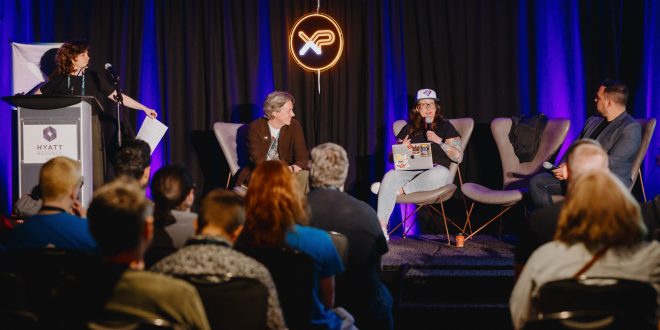
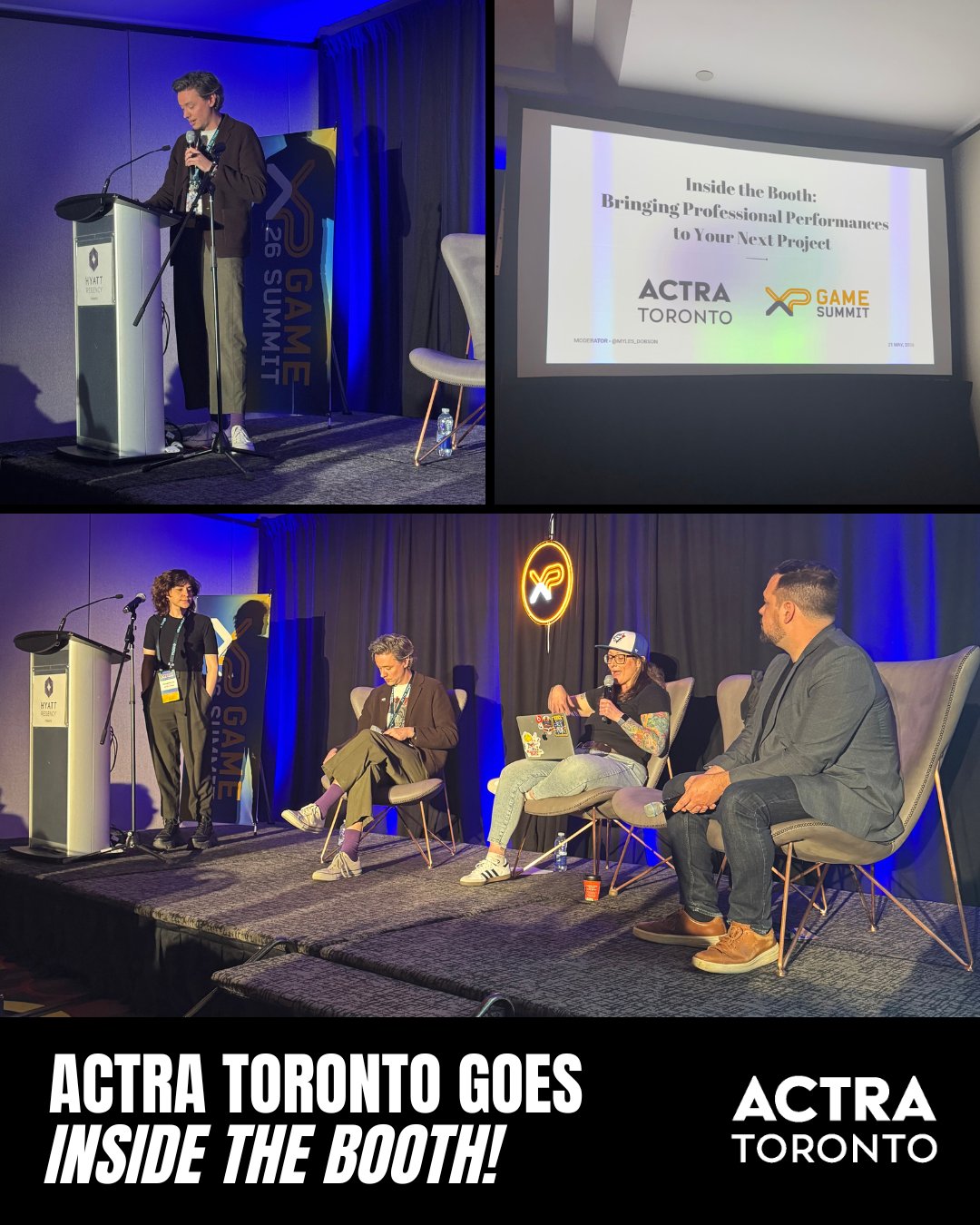
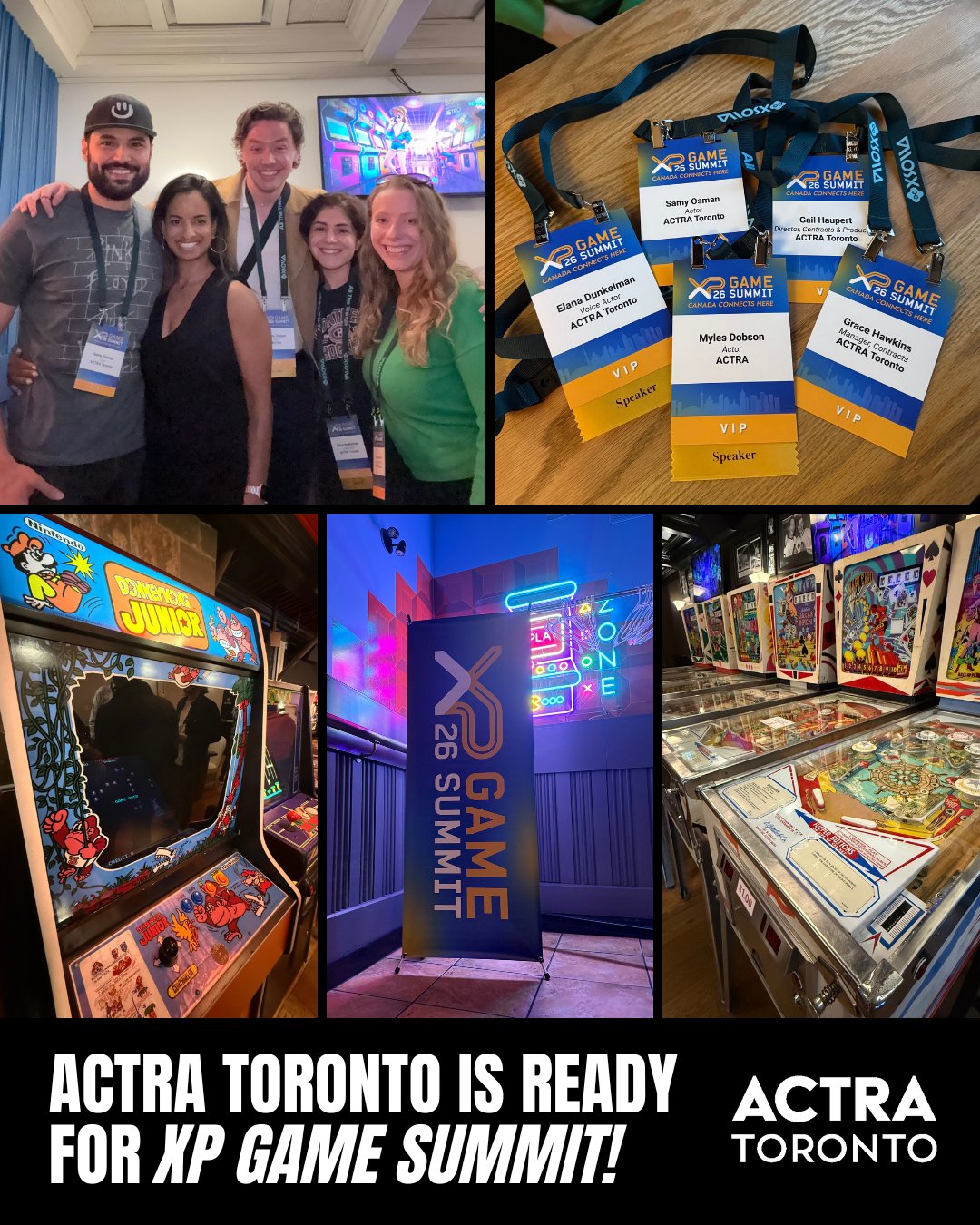
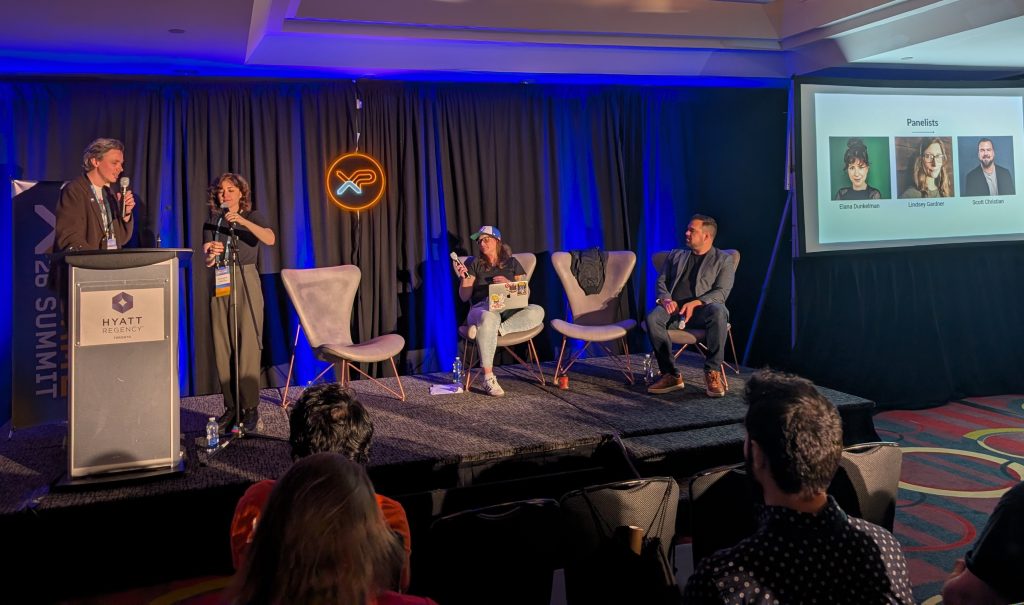
One key thought from this year’s XP Game Summit 2026 was impossible to ignore: Local development studios have zero reason to export their casting calls to the U.S. when world-class acting talent is sitting right in their own backyard. Addressing this dynamic, ACTRA Toronto presented a panel titled “Inside the Booth: Bringing Professional Performances to Your Next Project.“ The session focused on breaking down the perceived walls between independent creators and unionized performers, land on how dynamic the voice capture process is.
Following the panel, I caught up with Elana Dunkelman (actor, ACTRA Toronto Councilor, and VP) alongside Myles Dobson (actor, union member and seasoned The Next Step alumnus). We had a refreshing, transparent conversation about their community-led campaign to reshape how the Canadian gaming ecosystem values local talent; the critical fight against predatory AI exploitation; and the unique allure of interactive storytelling.
How an ACTRA Picnic Sparked a New Gaming Frontier
This desire for growth and change didn’t originate from top-down union directives. Instead, the initial spark flew during a casual member picnic a couple of summers back.


“Elana and I were at an ACTRA picnic talking about games we weren’t even getting the opportunity to audition for. And we basically said, ‘We need to fix this.’” — Myles Dobson
For Elana, the motivation was intensely practical; a prolonged dispute over commercial agreements had heavily impacted traditional actor revenues, making the exploration of new creative avenues a necessity. While ACTRA possessed established, robust back-end relationships with heavy-hitters like Ubisoft and specialized production houses like Game On, the union lacked a streamlined, accessible gateway tailored for smaller, standalone studios.
To bridge this gap, ACTRA Toronto established the Video Game Working Group. This team operates on a solid, data-driven business strategy: diagnosing the precise requirements of Ontario’s development community, showcasing what local performers bring to the table, and adapting union structures to align with the fast-paced tech sector.
Applying Lessons from SAG-AFTRA; Navigating Cultural Sovereignty
The conversation naturally drifted to the heavy labor friction felt globally, specifically the massive strikes undertaken by SAG-AFTRA in the United States.
Myles and Elana noted how deeply they scrutinized the American union’s low-budget and indie agreements. The primary goal? Finding clever ways to incentivize small, scaling studios to work within union frameworks rather than avoiding them out of bureaucratic fear.
“We looked at how SAG-AFTRA structure their tiered indie agreements. We wanted to lower the barrier to entry so indie devs don’t view union paperwork as a terrifying monster, but as a standard tool for scaling up production value.” — Elana Dunkelman
Crucially, top-tier protection against unconsented AI-generated performances or predatory data-scraping remains the bedrock of their agenda.
However, translating American solutions to a Canadian ecosystem comes with distinct geopolitical and economic quirks:
- Bargaining Power Realities: SAG-AFTRA commands roughly 180,000 members; ACTRA represents closer to 30,000 nationwide, with British Columbia (UBCP/ACTRA) operating on an independent negotiation structure.
- The Service Industry Trap: Historically, Canadian film and TV have operated largely as a service industry for major Hollywood studios, relying heavily on foreign production dollars, tax incentives, and favorable exchange rates. When the U.S. industry halts, Canadian crews and performers suffer immediate instability.
“In traditional TV and film, Canada often functions as the backup gym for Hollywood productions. When LA strikes or slows down, our local industry gets hit hard. But games? Video games represent a chance to build and own our domestic IP. It gives our creators authentic sovereignty.” — Myles Dobson
This reality underscores the urgency of building robust, domestic intellectual property inside video games. Unlike traditional media, which often frames our creatives as “actors who only truly made it once they moved to Los Angeles,“ the interactive space blows past geographic lines. Global players don’t look at the map; they listen to the performance.
The Turning Point: A Low-Budget Indie Agreement Is “Very Close”
For years, the biggest pain point for indie developers looking at union contracts was the assumption of rigid rules and prohibitive costs. The Working Group’s direct answer is a brand-new low-budget video game agreement, built explicitly around the financial realities of Ontario’s bustling indie scene.
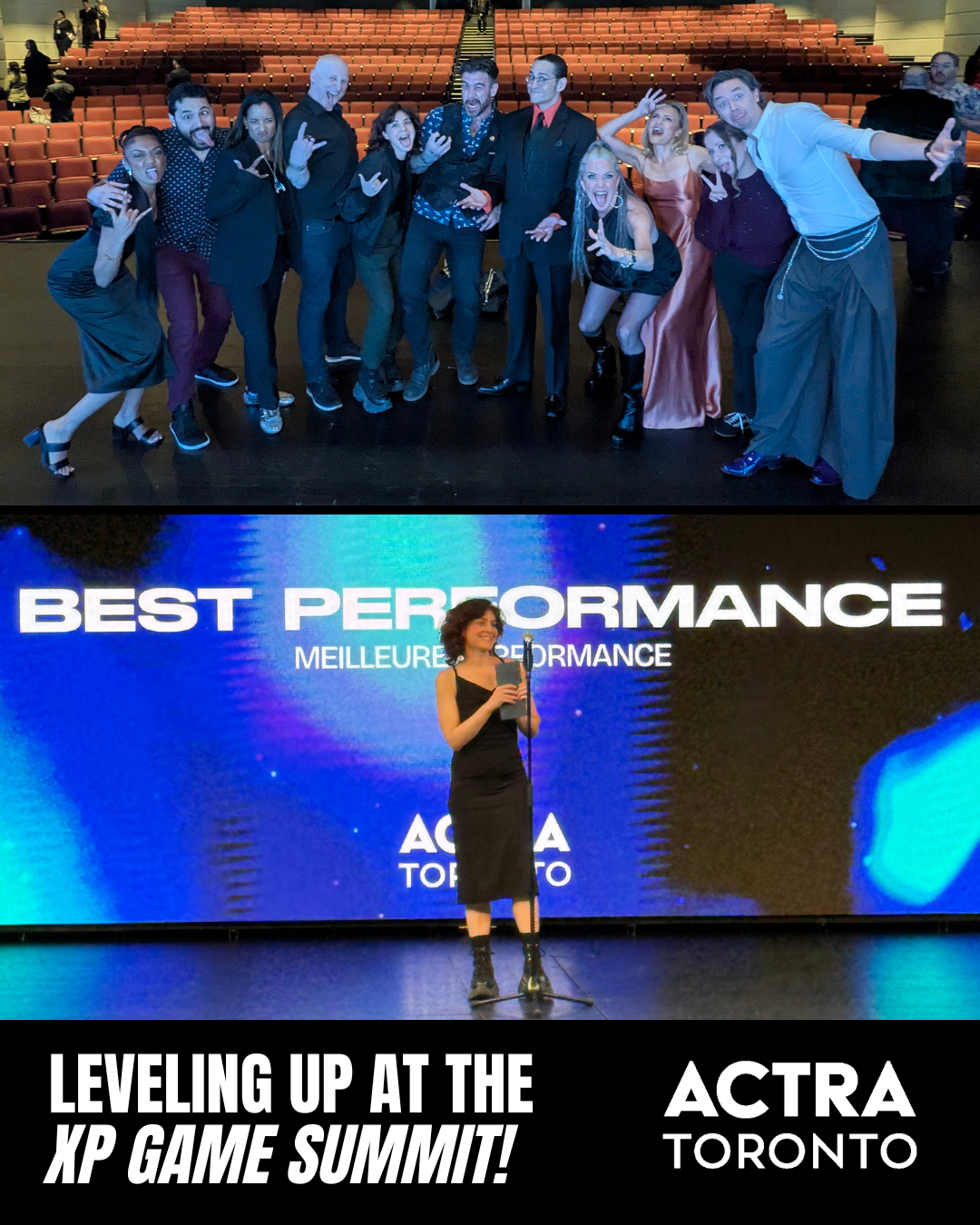
According to Dunkelman, the agreement is awaiting final board approval and very close to becoming official. The momentum is so real that multiple local studios are actively preparing to pilot the contract this summer.
“We are practically at the finish line with the new tier structure. The goal is complete accessibility. We want an indie team working out of a garage to feel just as empowered to hire local, professional voice talent as a massive studio.” — Elana Dunkelman
To back this up, ACTRA Toronto is investing directly in performer education so that actors hit the studio floors as hyper-efficient professionals. They recently hosted an intensive video game performance workshop led by respected voice director and casting professional Lindsey Gardner, training over 80 union members in the grueling, fast-paced realities of modern game recording.
The Raw Magic of Voice and Motion Capture
Before wrapping up, I asked them both what makes stepping into a game project so radically different from standing in front of a standard camera rig. Their faces instantly lit up.
“I haven’t done full performance capture yet, but voice performance and game recording are probably my favorite parts of acting…I remember visiting Ubisoft and walking into one of their motion capture volumes. Honestly, it felt almost like entering a church. There’s this incredible sense of creative possibility.” — Myles Dobson
For Dunkelman, the sheer creative freedom of interactive media stands in stark, beautiful contrast to the often restrictive schedules of television sets.
“Voice work has always been my favorite…but games feel uniquely imaginative. You can be performing as someone discovering they’re a god, surviving a destroyed world, or inhabiting an entirely fantastical reality. It taps directly into that childlike sense of wonder.” — Elana Dunkelman
For decades, we’ve watched legendary talents like Martin Short maintain deep pride in their Canadian roots while navigating international success. Thanks to the relentless, hands-on work of ACTRA Toronto’s grassroots organizers, the next generation of interactive talent won’t need to choose between their home and their career.
The industry is rapidly changing, and the line between indie agility and studio professionalism is blurring. When this new video game agreement officially rolls out, Ontario developers will have an accessible pipeline to world-class performance infrastructure right in their backyard.
To learn more about the upcoming agreements, check out the ACTRA Toronto site, and to check out details from the conference session, head over to the XP Game Summit Session Page.