 Blogcritics The critical lens on today's culture & entertainment
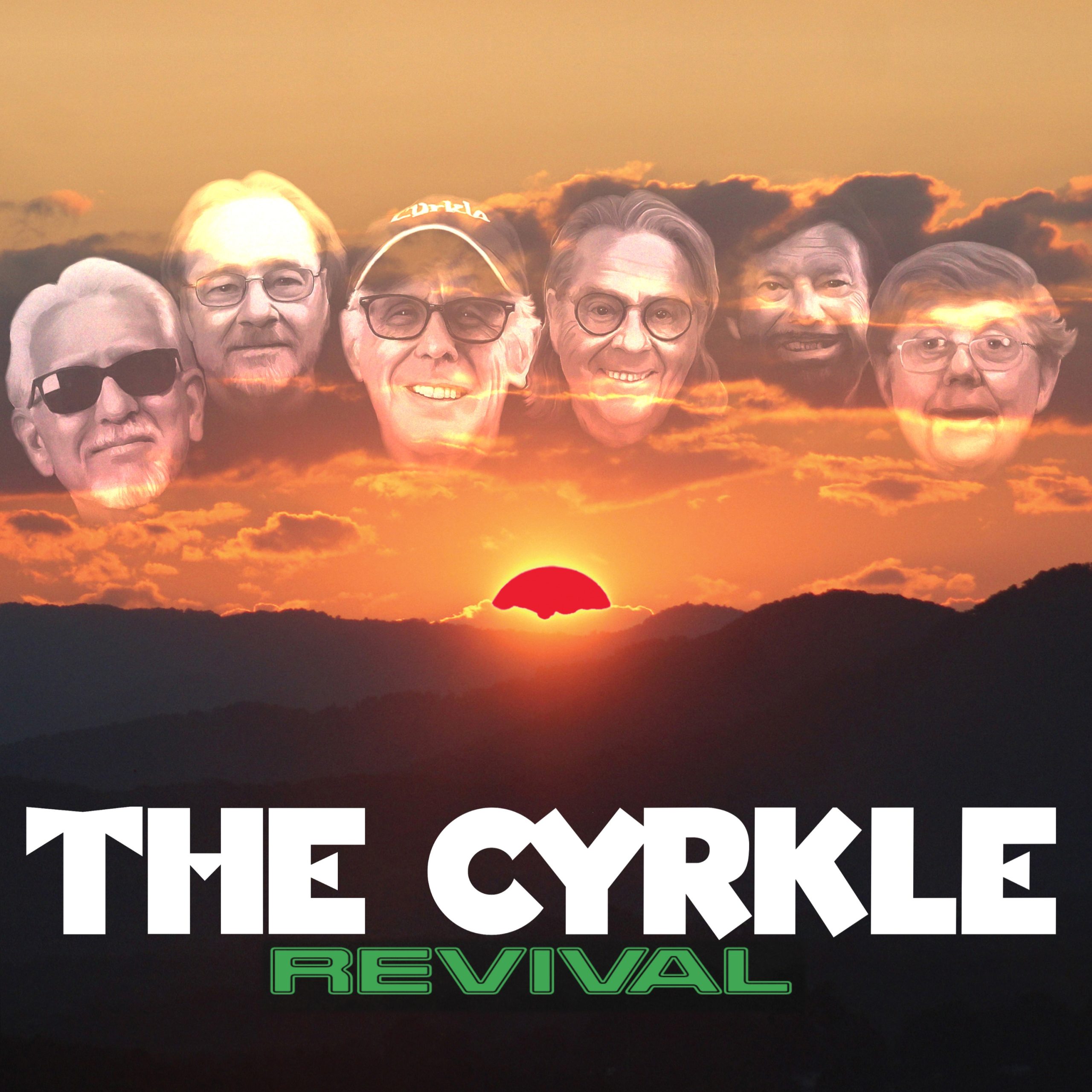
To say the Cyrkle got off to an auspicious start would be a major understatement. This 1960s pop-rock outfit was the first American band signed by Beatles manager Brian Epstein, who named the group. (John Lennon provided the spelling.) In 1966, the Cyrkle served as an opening act at 14 U.S. Beatles concerts, including the Fab Four’s final paid show in San Francisco. That same year, famed producer John Simon oversaw the creation of the Cyrkle’s debut album, Red Rubber Ball, which Columbia released. Paul Simon and the Seekers’ Bruce Woodley composed its likable title cut, which rose to No. 2 on Billboard’s pop chart, and another catchy song from the album, “Turn Down Day,” made it to No. 16.
By the end of 1966, these Sunshine pop purveyors seemed poised for even bigger successes, but that’s not how the story unfolded. The Cyrkle never had another Top 20 single, though it entered the upper reaches of the Hot 100 a few more times, including with Simon and Woodley’s atmospheric “I Wish You Could Be Here.” The group broke up in mid-1968, having released only two LPs.
Half a century later, though, the Cyrkle was back, albeit with only two members of the 1960s band: vocalist and co-founder Don Dannemann and keyboardist Michael Losekamp, who had played on Neon, the group’s sophomore album. Replacing the other early members were four additional players, including a co-founder of the Ohio Express. The new lineup released a live LP in 2018 and a vinyl and digital record called Revival in 2024. The latter has just been re-issued on CD.
Personnel changes notwithstanding, most of the tracks on Revival sound like the work of the same group that delivered Red Rubber Ball. That might seem like good news, but it’s also arguably bad news in that the band has made no effort to update its approach. In fact, a press release notes that “Revival is intended as the true third Cyrkle album that might have appeared in 1968, and sonically, it’s just that.” Perhaps as a result, much of the new album sounds dated.
On more than a third of the tracks, also, it’s not merely the sound that harks back to the band’s early years but the songs themselves. The set includes new recordings of “Red Rubber Ball,” “Turn Down Day,” and “The Visit” (the latter a fan favorite from Neon) that benefit from modern production technology but otherwise vary little from the originals. Also featured are “We Were There,” whose lyrics mention the Cyrkle’s signing by Epstein and Columbia, its first hit, and its concerts with the Beatles; and “We Thought We Could Fly,” which describes the group’s fledgling days. The latter is one of two numbers to incorporate backing vocals culled from old recordings by Cyrkle co-founder Tom Dawes, who died in 2007.
Also on the program is Simon’s “59th Street Bridge Song (Feelin’ Groovy).” Simon had offered that tune to the Cyrkle, but he apparently did so on a “turn down day,” as the band opted to turn it down. Months later, the song provided a hit for Harpers Bizarre, and Dannemann calls the group’s decision to pass on it “one of the biggest blunders ever made by a band.” He laments that if the Cyrkle had covered the number, “we would have had three straight Top 20 (or better) songs to start our career.”
Perhaps, but that might not have been enough to alter the group’s fate. In an era when singer/songwriters had become dominant, the Cyrkle relied on outsiders for its best material. Its self-penned songs, including the six by Dannemann and Losekamp on Revival, are catchy but also fluffy. Once you’ve heard them and the rest of the group’s catalog, you won’t be surprised to learn that after the original Cyrkle disbanded, Dannemann and Dawes both had successful careers as advertising jingle writers.
Also Noteworthy
C. Gibbs, Against Frail Beats on a Teetering Limb. Christian Gibbs (who bills himself as “C. Gibbs”) has drawn on everything from psychedelia and folk to Americana and soul throughout his long recording career. Against Frail Beats on a Teetering Limb, his 16th album, is no exception. Backed primarily by drummer Jules Stewart and bassist Joshua Mooers, the San Diego–based singer, guitarist, and keyboard player serves up an eclectic, self-penned 10-track collection whose subject matter is as diverse as its musical influences.
Highlights include “Let’s Not Fight and Say We Did,” the album’s likable first single; “Lanekeeper,” which features incendiary guitar work by Isaiah Mitchell, who spent several years playing with the Black Crowes; and the brooding “Man in Shorts,” which Gibbs wrote after a friend died of a fentanyl overdose.
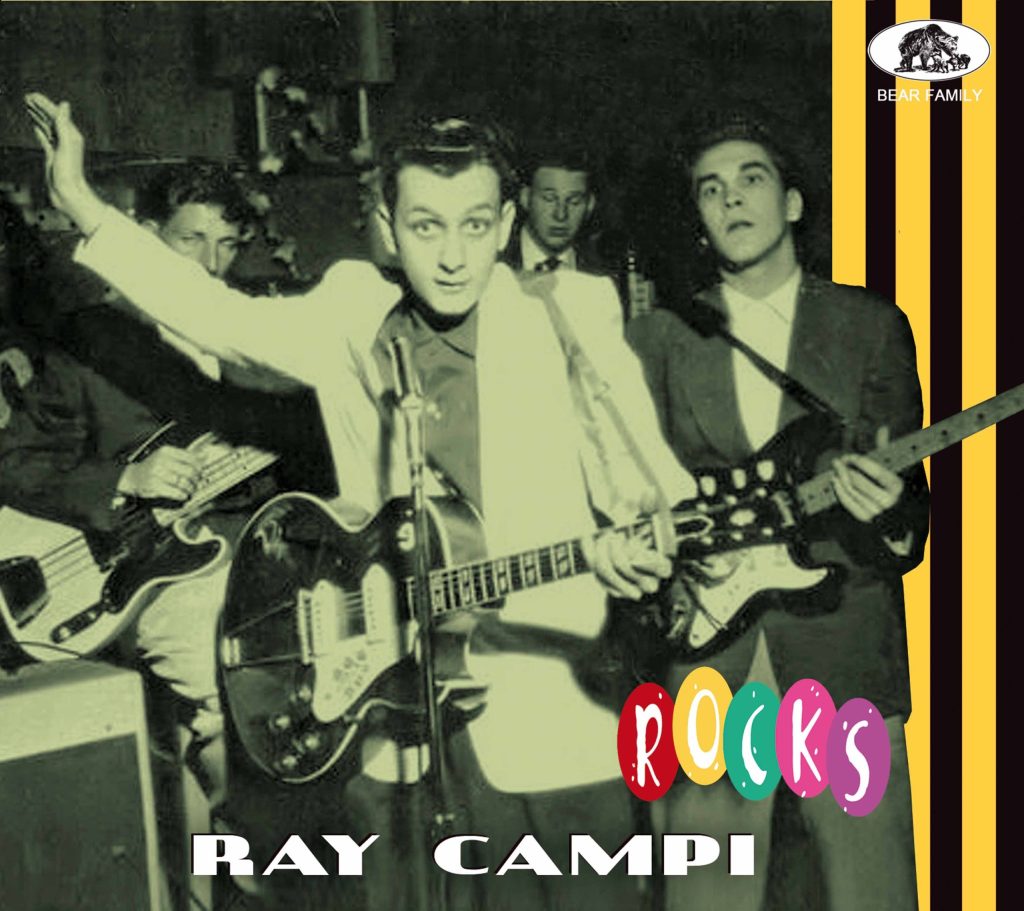
Ray Campi, Rocks. Unlike several other rockabilly pioneers, the late Ray Campi never broke through to a wide audience, but his name looms large among fans of that rock subgenre. The performances on this album, the latest in the Bear Family label’s long-running Rocks series, explain why.
Though Campi’s lengthy career found him dabbling in a wide variety of genres, including blues and folk, the program here focuses on his rockabilly work, which exudes energy, lightheartedness, and passion. It is about equally divided between his best-known 1950s recordings and material from 1973–1981, when a rockabilly revival movement gave Campi a boost.
The 34-track set includes four versions of the self-penned “Caterpillar,” his first single and probably best-known song, plus its flip side, “Play It Cool” and “The Man I Met (A Tribute to the Big Bopper).” Also featured are previously unreleased tracks from a 1976 concert at an Austin, Texas, TV station, where Campi and His Rockabilly Rebels deliver Johnny Horton’s “Honky Tonk Man” and “I’m Comin’ Home,” the Delmore Brothers’ “Pan American Boogie,” and two other numbers.
A copiously illustrated 36-page booklet includes a foreword by rockabilly singer/songwriter Deke Dickerson and a tribute by roots musician Rip Masters, as well as a biography and a discography.