 Blogcritics The critical lens on today's culture & entertainment
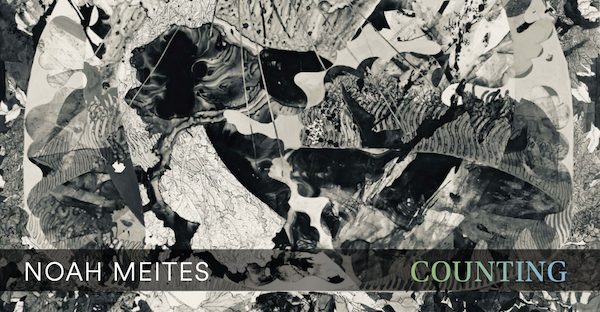
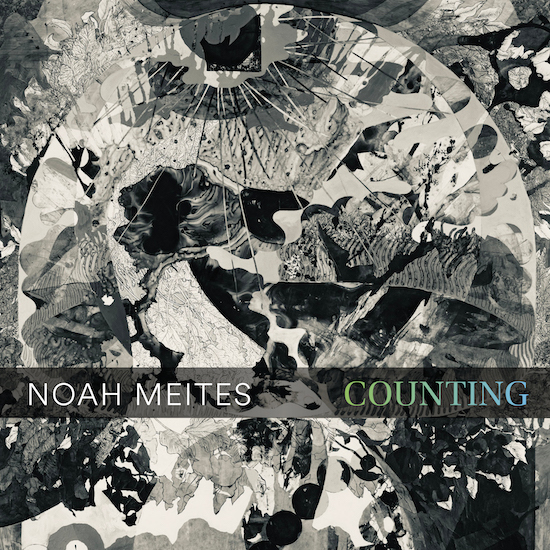
“COUNTING” is the first full-length recording of the music of Los Angeles composer Noah Meites, and it starts with a fist-pump. Composed between 2012 and 2022 and performed by leading new-music interpreters like New Thread Quartet, HOCKET, and L.A. Signal Lab, the works document a burgeoning creative flowering.
The Sense of the Census
The title piece is an 18-minute suite for a large jazz combo (sort of a deconstructed big band), a funky rhythm section, and a women’s choir that sounds sometimes like angels and sometimes like a nest of harpies. The text is a grim poem by Jeremy A. Schmidt about census counts.
Brassy modernist fanfares parlay with nervously syncopated rhythms punched out by saxophones and, later, keyboards. The fanfares and the elements of bop that poke through suggest a soundtrack to an early-’60s art film, but, piled with the vocals, the music creates its own images.
A ruminative choir break leads to a short recapitulation of the syncopated opening theme, which then collapses into a scattering of dissonant plaints from flutes and muted trumpets. These colors mix intriguingly with the hollow tones of the choir, singing words one will have to read, as they’re not intelligible to the ear.
A chorale just before the 10-minute mark conveys both beauty and gloom, intensified by attacks from the piano. The final third opens with rhythmic angst and dissonance, a return of the b&w action-movie feel, before a velvety jazz-funk groove emerges in the final minutes. The various themes and elements collide under a blazing improvised saxophone solo by Patrick Shiroishi. Finally the choir and woodwinds spin up a quiet conclusion puckered by the sparkles of a celeste.
“Cadere,” for a similar but smaller ensemble, and without vocals, opens with cushiony atmospherics. More density leads to a lament from the cello that presages clouds of squeaks and hums suggesting perhaps a rainforest stirred up by wind. It all melts back into hesitant pipings over a quote from a Josquin des Prez motet.
“Sonance,” originally for chamber ensemble but here arranged for the HOCKET piano duo of Sarah Gibson and Thomas Kotcheff, shows yet another side of this versatile composer. It begins with a few minutes of random-seeming stabs and sprays of notes and chords that seem to add up to not very much.
In the third minute the score gets busy and the piece starts to feel like the duet that it is. One piano undertakes angular walking bass lines with unexpected tempo changes, undergirding fitful, perhaps angry gestures above. After a quiet interlude of single notes that sound like a prepared piano, furious dissonant chords barge in, and another style of duet emerges, with a high part replaying the walking bass from earlier.
Smooth Fractures
Consistency of mode ties all this together. I don’t know what the package is saying, but it makes an impression. “Fracture Mechanics,” the newest piece in the collection, makes a deeper one. The saxophonists of New Thread Quartet begin by painting eerie harmonies, using extended techniques to derive some of the purest sax colors you’re likely to hear anywhere. Soon rhythmic action gets underway, and different elements begin to combine. We’re back in something akin to the world of “COUNTING,” a musical milieu where Noah Meites and New Thread Quartet are a match made in contemporary-music heaven.
The raspy sounds that take over the recapitulation of the opening harmonies are far from heavenly. More nuanced string playing follows in the two-part “To Whom Shall I Tell My Grief” for viola (Linnea Powell) and piano (richi valitutto). A sad two-note half-step motif dances over the ranges of both instruments, dominating the first movement, sometimes reversing or jumping octaves, never releasing its mournful grip. This dark exercise in extended development builds in intensity toward the end, the piano and viola twisting around one another as they seem to grope for air.
Suddenly a repeated note breaks the spell, gliding into the jittery second movement. Here the two-note motif evolves in a few ways – expanding, reversing direction, becoming chordal. As in the first part, Meites packs a lot of feeling into rather minimal material that’s vividly actualized by the musicians.
Words for Music
Brian Kim Stefans’ liner notes are a pleasure in themselves, full of imaginative visions of what the music “describes.” But I recommend waiting until after a first listen to read them. Let your mind create its own pictures. The exception might be “Voyager Golden Record,” where manipulation of a recording of Jimmy Carter’s voice merges text from the famous “golden record” placed aboard the Voyager spacecraft in 1977 with abstract commentary realized by the small chamber ensemble L.A. Signal Lab, co-founded by Meites and in which the composer himself plays trumpet and flugelhorn.
The Voyager craft are still out there, carrying messages that someday might, just conceivably, be received by someone somewhere. Composers, likewise, send their work out into the ether, hoping and angling for an appreciative audience. Noah Meites deserves one, and New Focus Recordings is on the case. COUNTING is out now on New Focus and available at Bandcamp.